This is T-Minus, where we count down the biggest developments in space, from new rocket launches to discoveries that advance our understanding of the universe and our place in it. Humanity is reaching new heights in space exploration. Make sure you’re part of the journey by subscribing here.

SpaceX’s wild pace
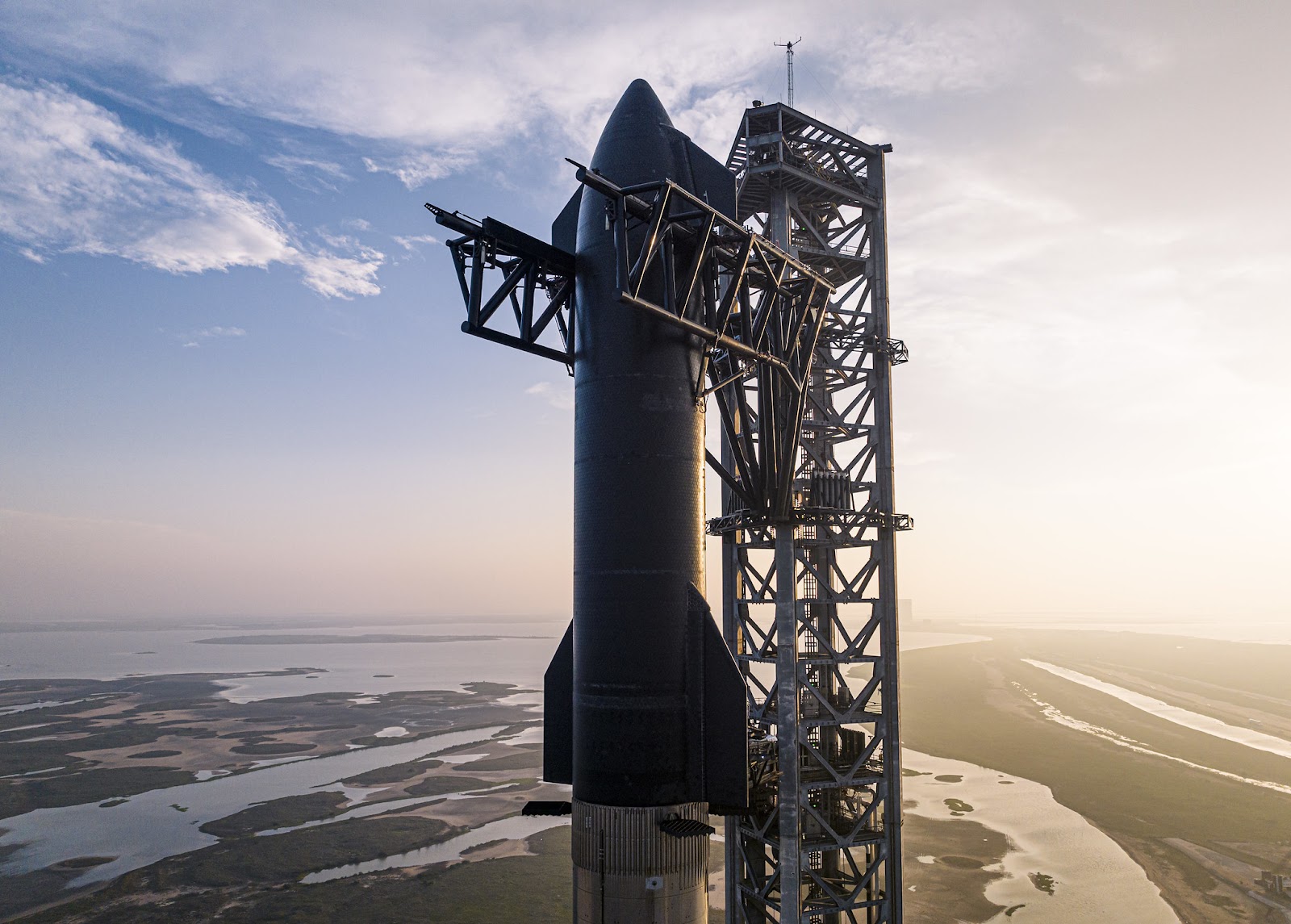
SpaceX has been launching rockets at a blistering rate of about once every four days in 2023, a record-breaking pace, and it hopes to increase its launch rate to once every 2 to 3 days in 2024.
It also hopes some of those launches will be of its Starship rocket — the biggest in the world — which NASA plans to use to return astronauts to the moon in 2025 (and which SpaceX wants to use to colonize Mars).
None of this will happen, however, unless US regulators can also step up their pace, according to William Gerstenmaier, SpaceX’s VP for build and reliability — on October 18, he testified to a Senate subcommittee that regulators are taking too long to approve SpaceX’s launch requests, including one for the in-development Starship’s next test flight.
“Our Starship, Falcon, and Dragon programs are encountering regulatory headwinds and unnecessary bureaucracy that has nothing to do with public safety … It’s a shame when our hardware is ready to fly, and we’re not able to go fly because of regulations or re-review,” said Gerstenmaier.
He urged Congress to double the FAA’s licensing staff, streamline the regulatory process, and spin off some jobs to NASA and the US Space Force to “modernize” the whole process — or risk falling behind China in the new space race.

Marsquake mystery solved
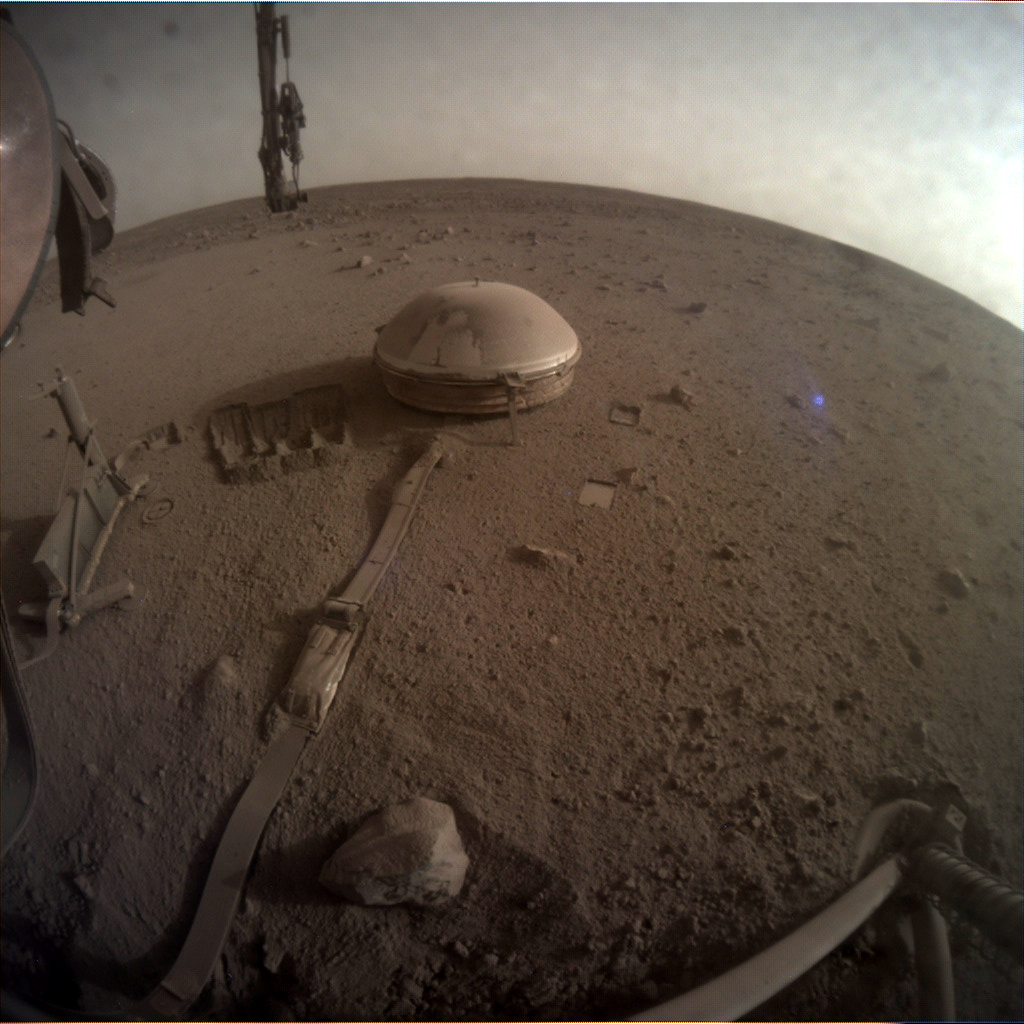
NASA’s Insight lander has detected more than 1,300 “marsquakes” since landing on the Red Planet in 2018, but the one that shook its seismometer on May 4, 2022, was five times stronger than any previously recorded.
Here on Earth, quakes are usually caused by sudden movements at the fault lines between tectonic plates. But Mars’ crust is just one solid plate, so NASA assumed this massive quake was caused by the same thing behind other big ones: a meteorite impact.
To cause such a quake, a meteorite impact would have left a blast zone an estimated 111 miles wide, but University of Oxford researchers couldn’t find any matching impact in images of Mars taken by orbiting spacecraft on the day of the quake.
On October 17, they published their research, concluding that the source of the marsquake was tectonic, caused by the release of stress from within Mars’ crust.
“These stresses are the result of billions of years of evolution, including the cooling and shrinking of different parts of the planet at different rates” said lead author Benjamin Fernando.
“We still do not fully understand why some parts of the planet seem to have higher stresses than others, but results like these help us to investigate further,“ he continued. “One day, this information may help us to understand where it would be safe for humans to live on Mars and where you might want to avoid!”

India’s historic flight
While citizens of more than 40 countries have visited space, only three nations — the US, Russia, and China — have the capability to send people off-world. India aims to be the fourth, with the crewed Gaganyaan mission to Earth’s orbit, currently scheduled for 2025.
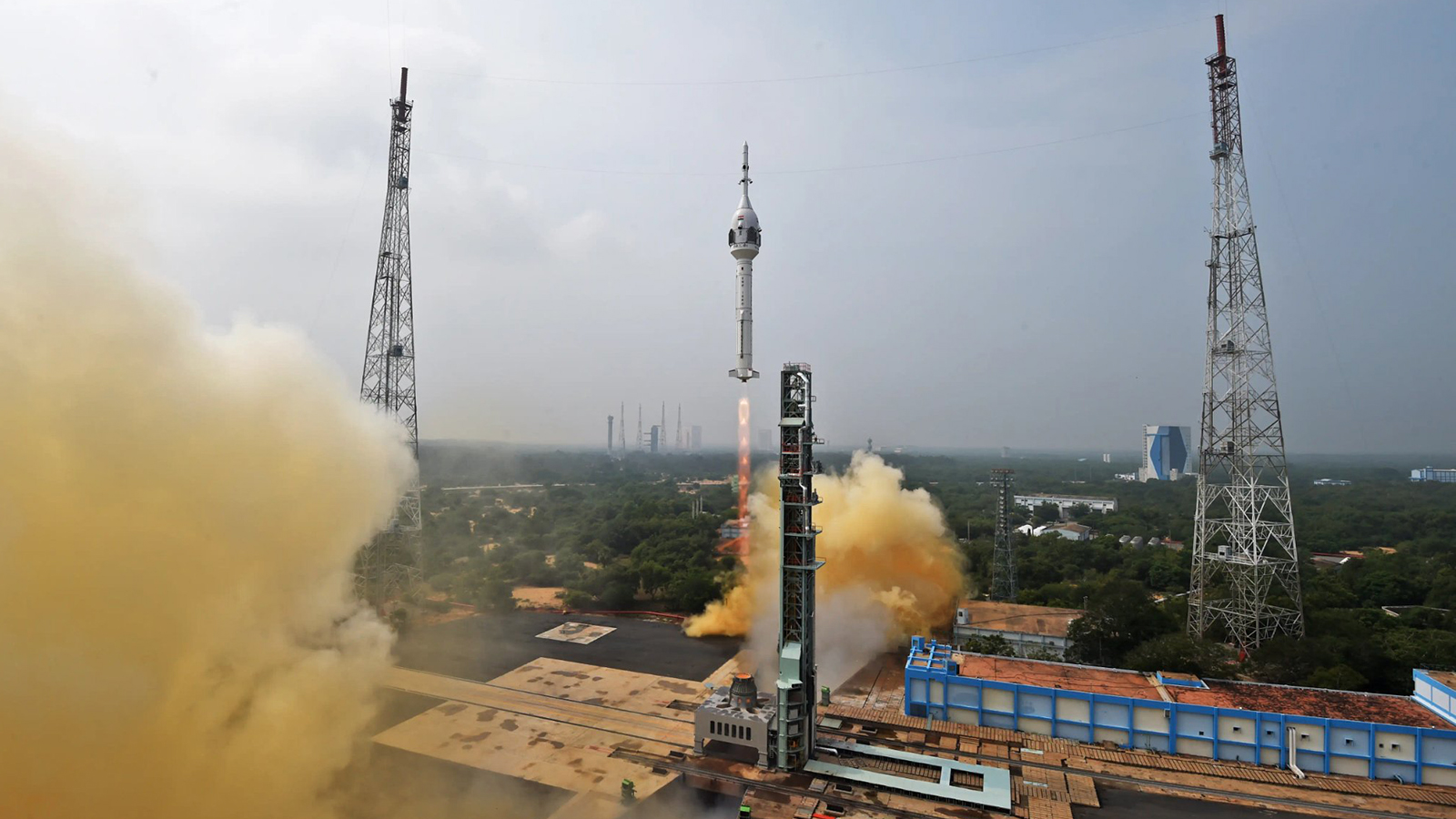
On October 21, the Indian Space Research Organization (ISRO) completed the first in a series of test flights of the Gaganyaan spacecraft. The purpose of this test, dubbed the TV-D1 (Test Vehicle Demonstration 1) mission, was to test its escape module — a key safety feature.
During this test, the Gaganyaan spacecraft separated from its launch rocket at an altitude of 7.5 miles — this was to simulate what might happen if the mission needed to be aborted after launch.
Once it reached an altitude of 10.6 miles, Gaganyaan’s crew module (CM) detached from the crew escape system (CES). Slowed by a system of parachutes, the module then splashed down in the Indian Ocean, 6.2 miles from the launch site.
Gaganyaan aced the test, so the next step will be a 2024 launch in which an AI-powered humanoid named Vyommitra will be aboard to mimic the activities ISRO has planned for its real astronauts.
We’d love to hear from you! If you have a comment about this article or if you have a tip for a future Freethink story, please email us at [email protected].